|
Now we are into the first week of March, the signs of spring are everywhere. For an ecological consultant, one of the important aspects of spring is the start of a new survey season, with the traditional surveys for great crested newt taking place between mid-March and mid-June. Here at Huckle Ecology, we are ready to start these surveys with relish, and are also looking forward to undertaking a few Environmental DNA surveys of ponds. These surveys, involve taking water samples of ponds, with the water being tested for the presence of DNA of GCN - in many cases, a positive or negative result can lead to cost effective assessment of potential impacts. If you need great crested newt surveys in 2017, it is still not too late to get them commissioned. Please get in touch via our contact page or email on info@huckleecology.com. 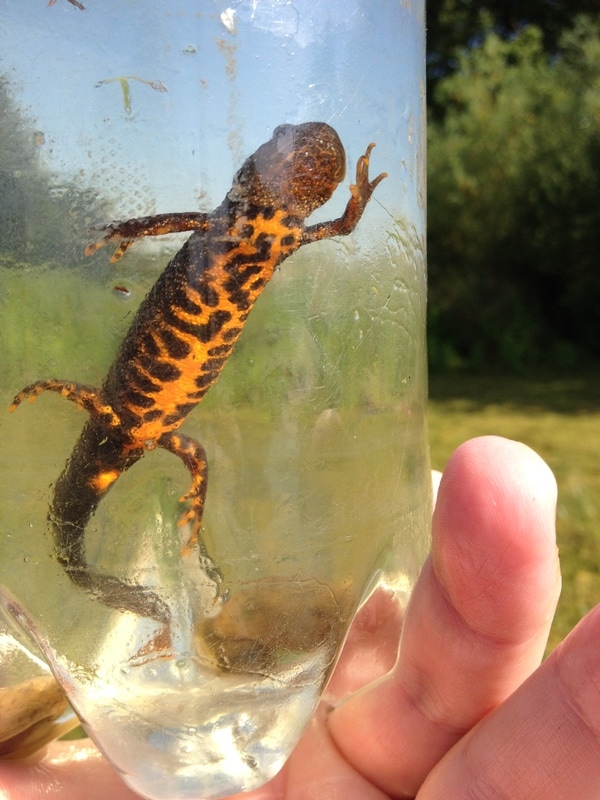
1 Comment
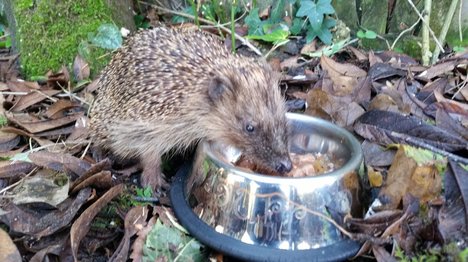
This Blog Post is kindly written by my eldest son, Monty, 10, and features a newspaper article written for his school homework. A little hedgehog has been seen by a family in Redgrave.
The Suffolk Wildlife Trust is asking for reports of hedgehog sightings. If you have seen a hedgehog then go to their website www.suffolkwildlifetrust.org to report it.
On a recent trip to Holkham in North Norfolk, the windswept dunes and vast beach were as beautiful as I can remember. I have been visiting this beach for over 40 years and in that time the coastal habitats have developed dramatically: dunes have risen in height, creating a sheltered embayment behind. Salt marshes have developed, creating a slippery and beautiful area of intertidal vegetation. Throughout this period, there have been two constants: the long stretch of (usually) gentle shoreline, and the impressively forbidding line of pine forest that acts as guardian for the rear of the beach. 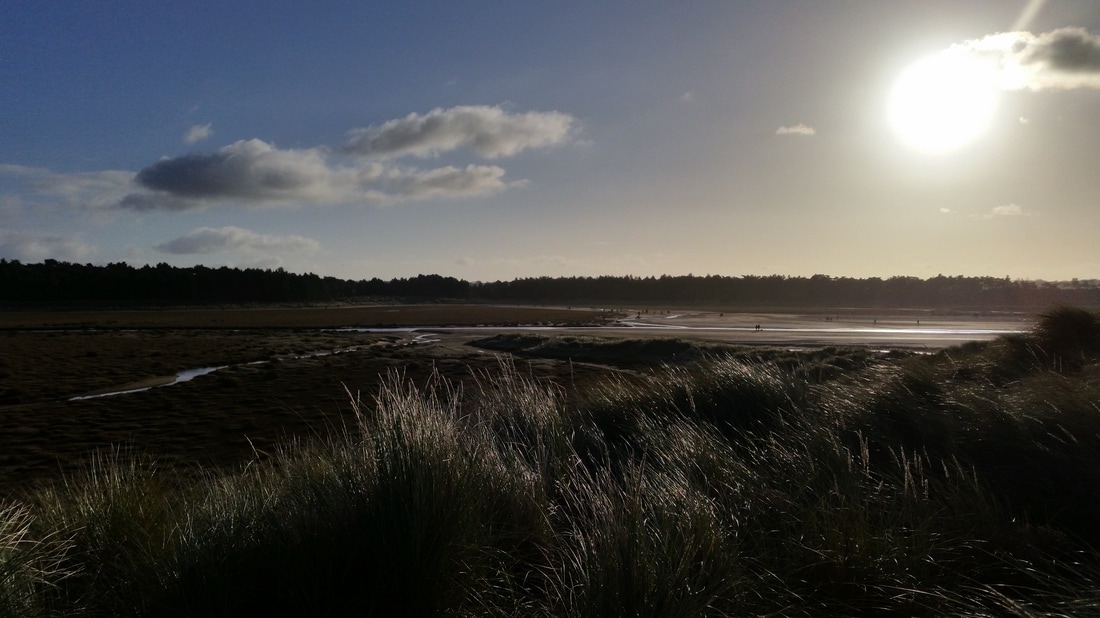 It is easy to think that reptile surveys are relatively straightforward compared to many ecological surveys - stick a load of carpet tiles or old metal sheets (tins) out and check them every now and then. But it can take quite a bit of skill to find reptiles when there is a good deal of leaf litter and general cover for them to shelter in. The photo below proves the point nicely - a common lizard skulking in leaf litter (found under a carpet tile on this occasion). Can you see it? 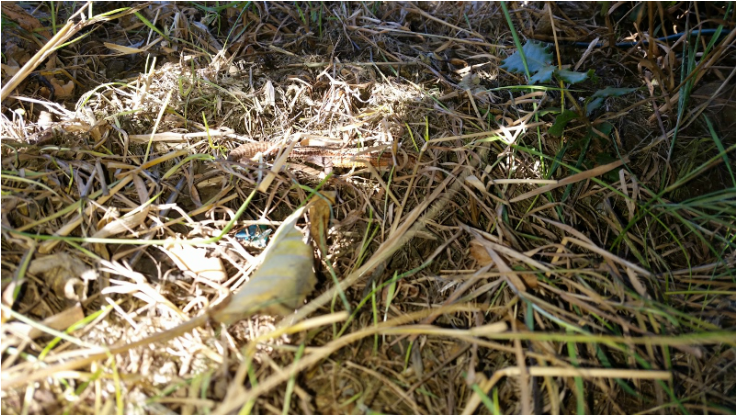
It has been a while since my last blog post - and that was to herald the start of the newt survey season.
Well.... with the first few days of June now complete, and sunset getting later and later, the newt surveys are drawing to their close. May has been particularly busy , with newt surveys being undertaken at sites in Norfolk, Suffolk, and the Midlands. It is always good to get the first newt surveys of the year in the bag. Having been delayed by a couple of weeks with overnight temperatures just a bit too low for comfort, Huckle Ecology has completed its first great crested newt survey of the year.
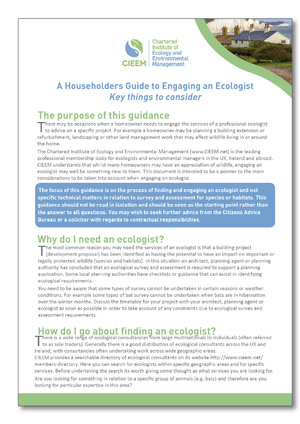
....and what a good one to start with - with four species of amphibians in total. A few GCN were recorded at the site in central Norfolk, using both bottle trap and torch survey methods. In addition, smooth newts were recorded in reasonable numbers. But perhaps the highlight was the chorus from a good population of mating toads and frogs! The sight of numerous pairs of little eyes in the light of the flashlight is always a joy to behold. A few bats were also foraging over the ponds - I will make sure to take my bat detector on the next survey visit! Finally, the morning was topped off with my first chiffchaff of the year! In these days of Google and Bing searches, you would think that engaging an ecologist to do some work would be straightforward, but like everything in life, things may not be as simple as they seem. That 'top of the page' search result might be OK but it may be just the case that they have a good marketing person who knows how to play the search engine game and get their listing up to the top. But does that mean they will provide you with the best service? Fortunately, help is at hand, and the Chartered Institute of Ecology and Environmental Management (CIEEM) have recently published guidance on engaging the service of a professional ecologist. While this guidance is directed at homeowners who might need ecological advice, it is generally applicable to many professionals who may also need to commission ecological consultants. This document is well worth a read, and can be downloaded from the CIEEM website as well using the link on the image below right.
When seeking quotes, it is worthwhile setting out exactly what you are asking to be done (and perhaps why) - this enables a fair comparison between different fee proposals, and provides the ecologist with a clear understanding about the scope of the work required. Often, we are asked in a vague manner to provide an ecology report or assessment - this is a bit like going into a car showroom and saying you want a car! There are a range of different options available and without more information you may end up with something you don't need or want. Perhaps the key piece of advice in the CIEEM guidance though, is in my view, that about asking questions. Speak to the ecologist that you might engage - this is by far the best way of gauging their experience and ability to do the work, and will provide reassurance that they will provide you with level of service you deserve. Over the years, my experience as a professional ecologist has taught me the value of developing a strong trust between client and consultant - this relationship often starts with a good chat about the issues relating to a potential piece of work. For a free consultation about your potential ecology project, give Jon a call on 07496 255050 or use the Contact page to leave a message or for more ways to contact us. Believe it or not, but it is nearly the end of January! As any good ecological consultant will be aware, the survey season for great crested newts will soon be upon us. As a protected species, it is an offence to capture (take) or disturb these fantastic little amphibians, which means that surveys for GCN need to be undertaken by an ecologist with a licence to undertake trapping and other activities that would otherwise be an offence. As days lengthen, newts and other amphibians will be heading towards ponds to breed - the courtship display is one of the marvels of British Wildlife and a story for another blog. Once in ponds, that is the optimal time for undertaking surveys, and the reason why traditional newt survey methods advocate sampling for amphibians between mid March and mid-June (with most surveys between mid-April and mid May). In recent years the use of Environmental DNA (EDNA) technology has provided another approach to surveys, with surveys being valid from mid-April onwards. The key message, is that if you have a site where newts surveys are likely to be required, you need to get them into your programme now to ensure that you do not miss the boat! If you leave it until June, you will have left it to late , and there would be a real danger of a delay to programme and a serious entry in a project's risk register! Get in touch via my contacts page for an informal chat about protected species or to discuss your survey requirements. 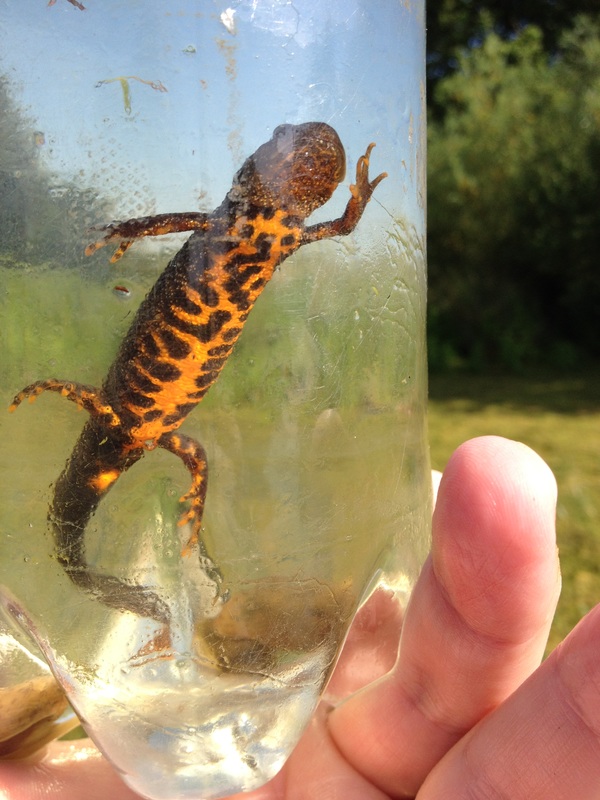 For me, ecology is not just an academic subject and my career - but it is also about an appreciation of the natural world that surrounds us in gardens and semi-wild areas. Being mindful of the ecological processes and functions of the species that form the habitats that are so familiar to us in here in Britain, engenders a deep understanding of the natural world. It has been a beautifully frosty couple of days here in Suffolk - no snow has fallen unlike many parts of the country - but a hoar frost this morning looked amazing on some cherry blossom in the garden 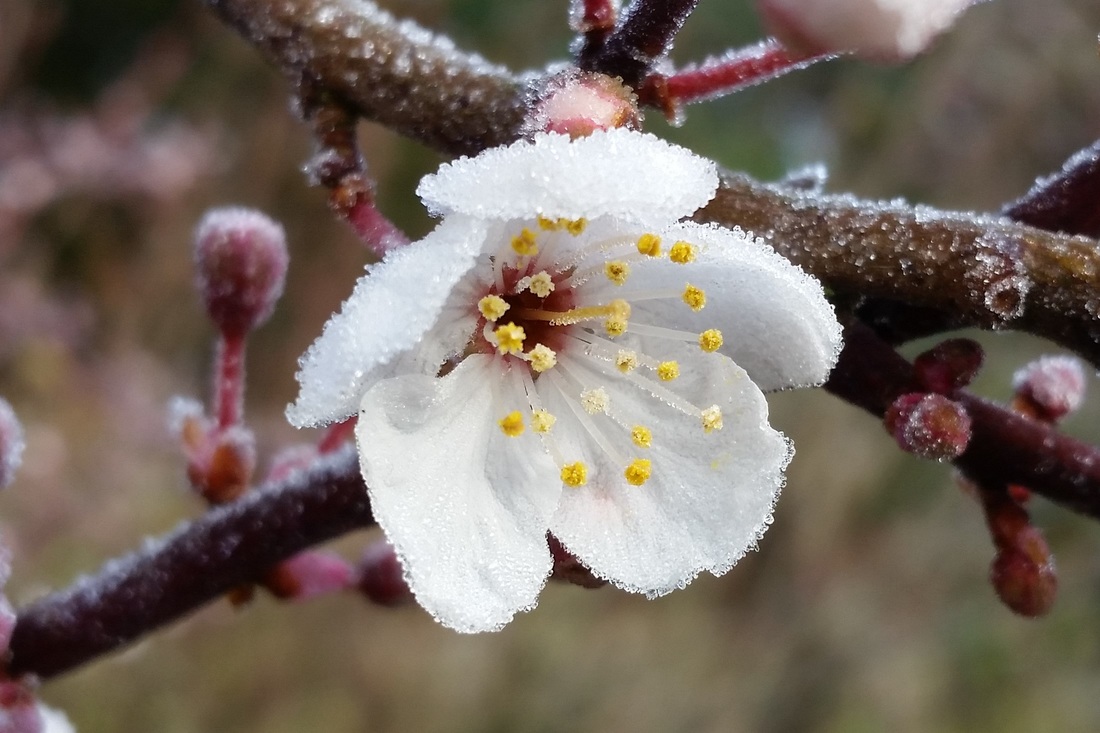 ....and I love the structural forms created by winter seed heads!! 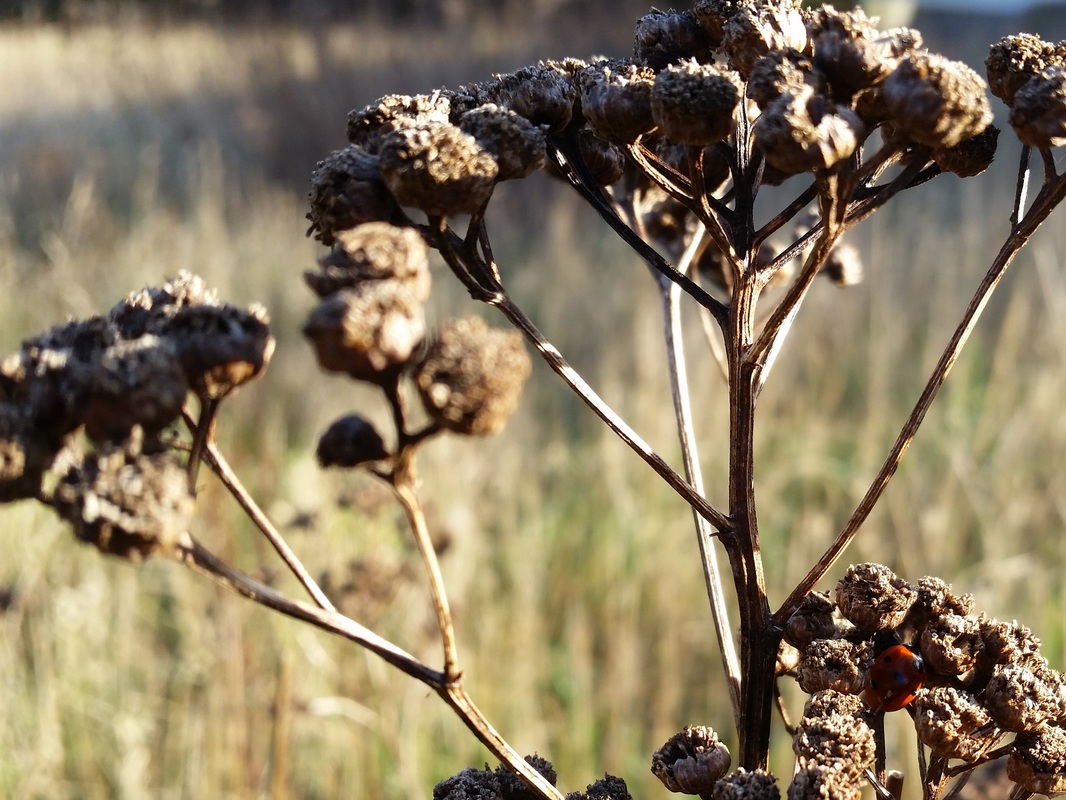
If you would like advice on ecological issues relating to preconstruction sites or enabling works, feel free to get in touch..... at HuckleEcology, we have extensive experience of working on all stages of projects from pre feasibility assessements right through the planning and construction phases to operational monitoring!
|
Jon HuckleThis is intended to host my articles on ecology, news about what I am up to, and general musings or ramblings about things that concern me.... Archives
February 2023
Categories
All

|
 RSS Feed