• Published on

    Newt Surveys - time to start planning for spring!

    Believe it or not, but it is nearly the end of January!

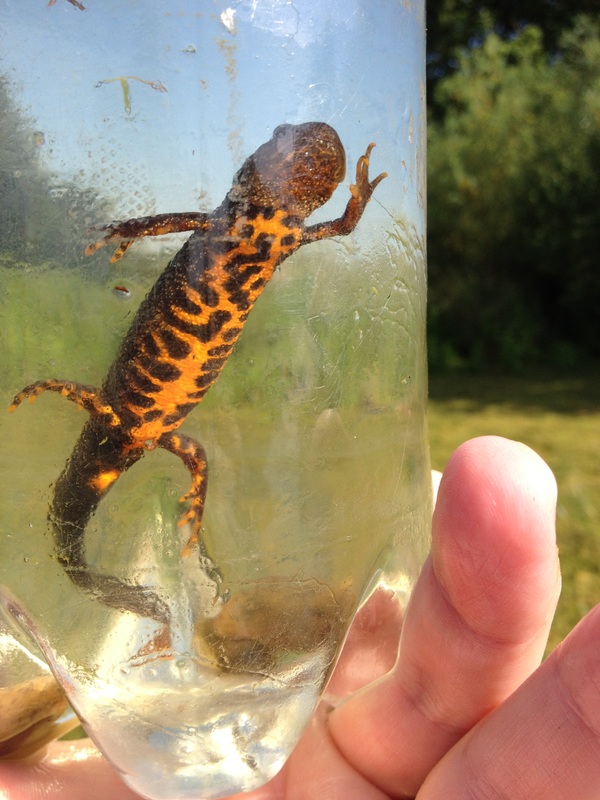
    As any good ecological consultant will be aware, the survey season for great crested newts will soon be upon us. As a protected species, it is an offence to capture (take) or disturb these fantastic little amphibians, which means that surveys for GCN need to be undertaken by an ecologist with a licence to undertake trapping and other activities that would otherwise be an offence.

    As days lengthen, newts and other amphibians will be heading towards ponds to breed - the courtship display is one of the marvels of British Wildlife and a story for another blog.  Once in ponds, that is the optimal time for undertaking surveys, and the reason why traditional newt survey methods advocate sampling for amphibians between mid March and mid-June (with most surveys between mid-April and mid May). 

    In recent years the use of Environmental DNA (EDNA) technology has provided another approach to surveys, with surveys being valid from mid-April onwards.

    The key message, is that if you have a site where newts surveys are likely to be required, you need to get them into your programme now to ensure that you do not miss the boat!  If you leave it until June, you will have left it to late , and there would be a real danger of a delay to programme and a serious entry in a project's risk register!  

    Get in touch via my contacts page for an informal chat about protected species or to discuss your survey requirements.
    Picture
  • Published on

    Natural mindfulness - Frosty weather brings out the beauty of winter plant structure

    For me, ecology is not just an academic subject and my career - but it is also about an appreciation of the natural world that surrounds us in gardens and semi-wild areas.  Being mindful of the ecological processes and functions of the species that form the habitats that are so familiar to us in here in Britain, engenders a deep understanding of the natural world.

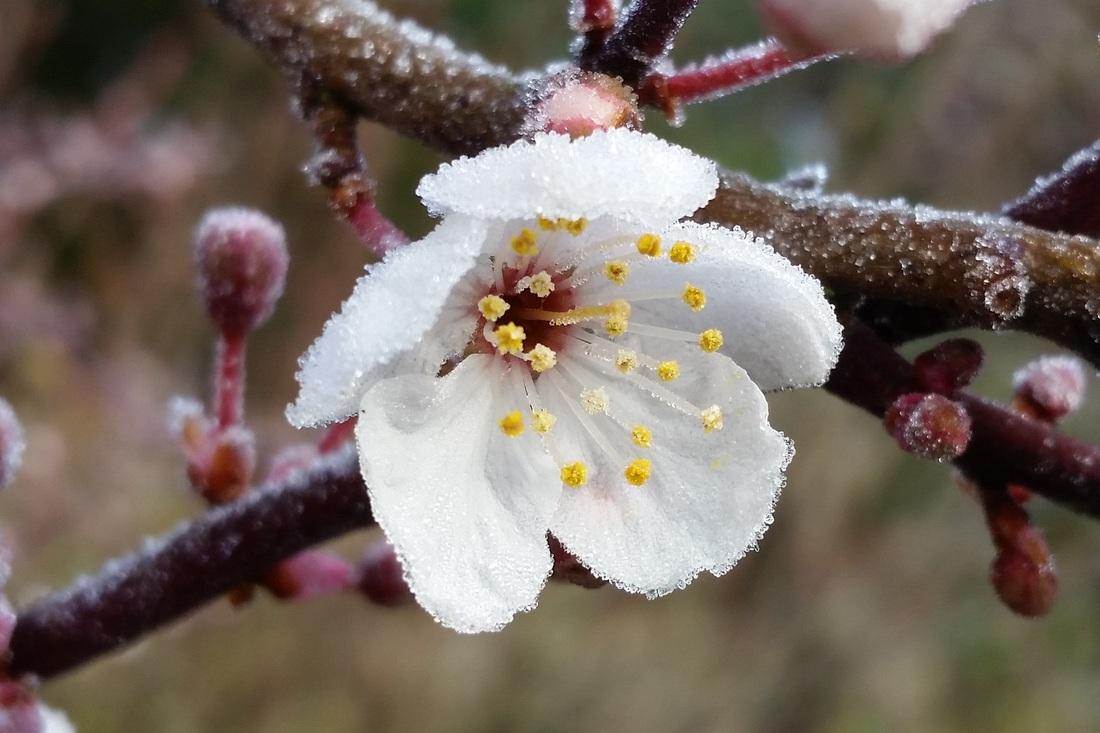
    ​It has been a beautifully frosty couple of days here in Suffolk - no snow has fallen unlike many parts of the country - but a hoar frost this morning looked amazing on some cherry blossom in the garden
    Picture
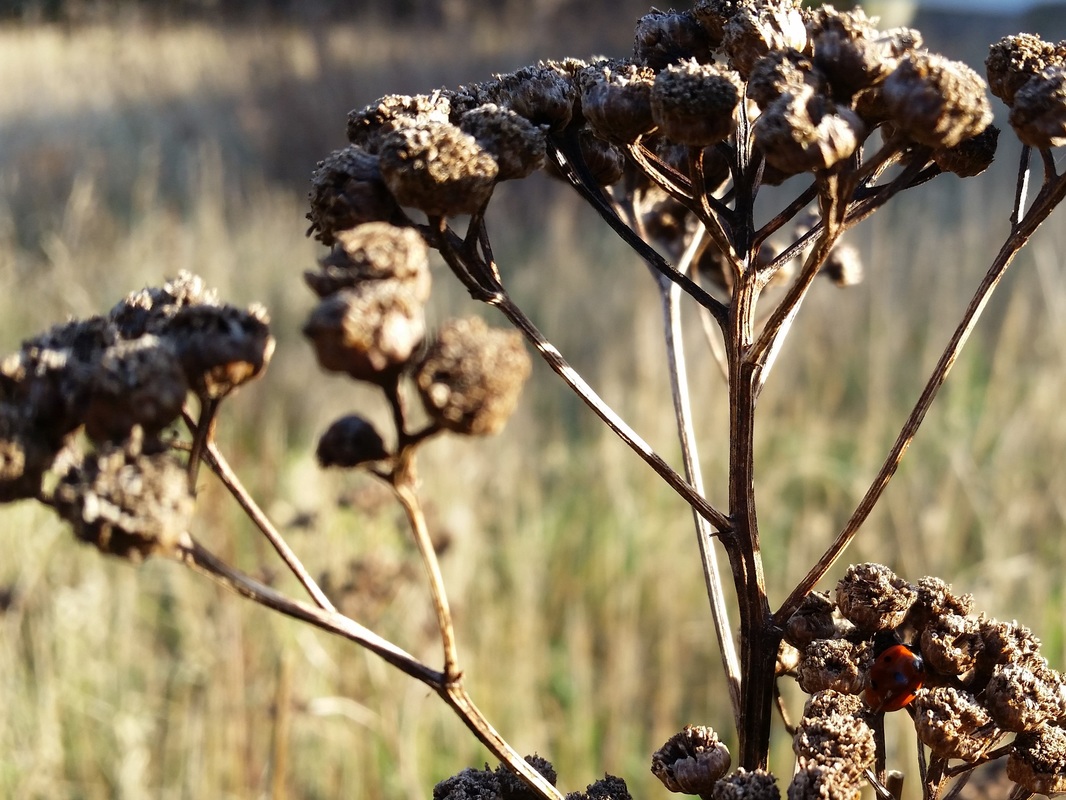
    ....and I love the structural forms created by winter seed heads!!
    Picture
  • Published on

    Pre-construction Site Works - Minimising Ecological Risks

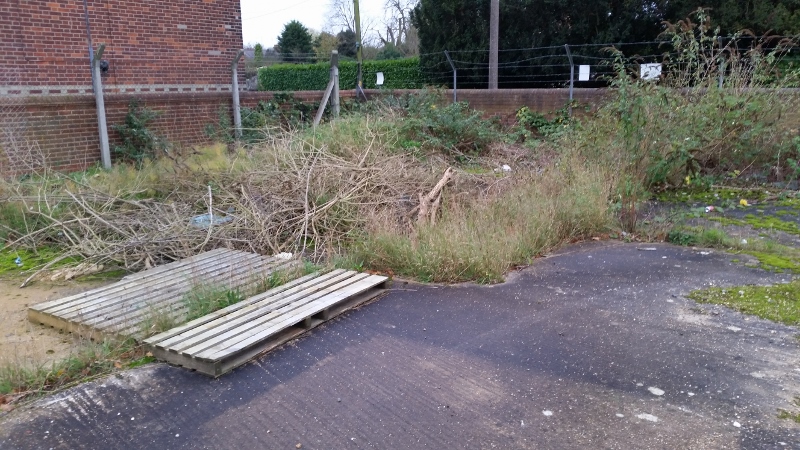
    ​With the recent cold weather that has gripped the country in recent days it is all too easy to think that ecological issues are not likely to be a major constraint for construction sites.

    However, before we know it, we will be into February and then the bird breeding season will be only a robin's chirp away. As days lengthen and temperatures rise, biochemical and phenological changes cause behavioural and hormonal development leading to increased activity of animals....in layman's terms, species start to get frisky prior to breeding and hibernating species will start to emerge and get prepared for spring.
    Picture
    ​Birds, for example, are protected under the Wildlife and Countryside Act, and all species are protected while nesting. Some species are also more strongly protected, listed on Schedule 1of the W&C Ac, or via the 'Habitats Regulations'. Other species, such as bats, great crested newts, badgers are all protected via different legislation.

    The key to ensuring that ecological constraints are dealt with is to plan well in advance.... Getting vegetation cleared ahead of the bird breeding season helps to ensure that there is less chance (but not entirely) of breeding birds being disturbed by construction works.
    Picture

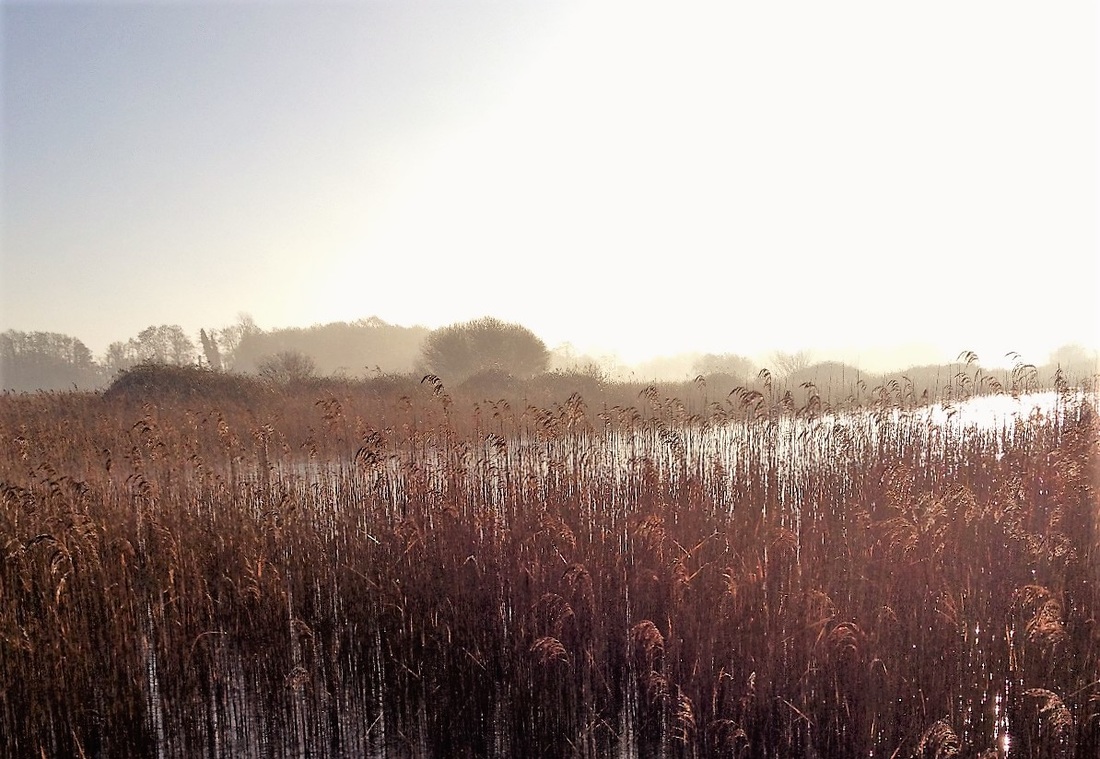
    OK - it is not a construction site, but it is a wintry scene.... Redgrave and Lopham Fen!


    For pre-construction sites, therefore, it is important to ensure that ecological constraints associated with a site do not cause unnecessary delays to programme. For consented development, there may be planning conditions that need to be discharged, and even if these have been covered off, it is important to ensure that works proceed with due regard to the legal protection conferred on certain species. An offence can result in imprisonment, a fine, or perhaps more crucially a lengthy delay in the construction proceeding.
    Picture
    If you would like advice on ecological issues relating to preconstruction sites or enabling works, feel free to get in touch..... at HuckleEcology, we have extensive experience of working on all stages of projects from pre feasibility assessements right through the planning and construction phases to operational monitoring!
  • Published on

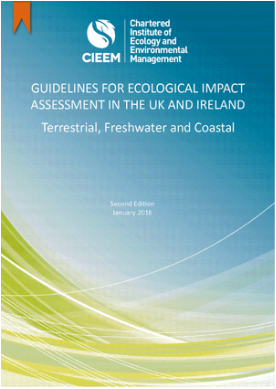
    Updated Guidelines for Ecological Impact Assessment published

    The Chartered Institute of Ecology and Environmental Management (CIEEM) has recently published updated guidelines for EcIA, which can be downloaded here:
    The 1st edition Guidelines were originally published in 2006, and have become a cornerstone for professional ecological consultants since then.
    Following only a quick read, my initial thoughts are that this new edition of the guidelines is an excellent update, providing a concise and well-written exposition of how EcIA should be undertaken.

    I particularly like the Introduction section which defines the EcIA process and highlights the two most commonly used applications; providing input to Environmental Impact Assessment, and for demonstrating how projects accord with planning policy and legislation for non-EIA projects. It then summarises the general EcIA process and the various stages therein.
    Having applied the EcIA process to numerous projects (both for EIA and non-EIA projects), I would highly recommend that this document be read by anyone commissioning professional ecologists, those actually required to undertake EcIA (who should be suitably qualified ecologists) and to those reviewing EcIA reports (such as planning officers and consultees).

    These guidelines are also essential reading for students or graduates who aspire to be professional ecological consultants.

    All in all, I am very impressed and applaud the various authors and contributors, who I know have put a great deal of time and effort into the production of these guidelines.

  • Published on

    Merry Christmas.... a time for reflection for many reasons

    It is fair to say that 2015 has been an eventful year.  International and national affairs have been at the fore front of our minds, with a national election, turmoil and war in Syria, refugees and the recent horrors in Paris.

    On a more local level, it is time to reflect on the first 5 months of Huckle Ecology's existence.  In all honesty it has been a thrilling and challenging experience and thoroughly enjoyable ride - those 5 months have flown by.
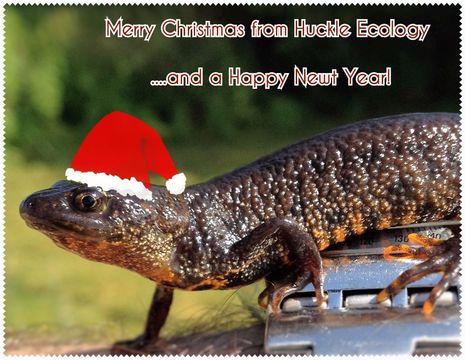
    Great crested newt santa hat - Jon Huckle
    Contact me on 07496 255050 or via email
    The diversity of projects that I have been able to undertake has been a particularly enjoyable aspect of my first few months as an ecological start-up business. In addition, the satisfaction of being able to provide effective and pragmatic solutions to clients new and old has been really rewarding.

    Particular high points have included:
    • Appearing as an ecological expert witness at the Torr Works Wind Farm public inquiry in September. This was held in Shepton Mallet in Somerset, and like most planning inquiries, was a really rewarding experience.
    • Winning and undertaking my first piece of independent consultancy work - a Preliminary Ecological Appraisal for a Solar Farm in Warwickshire.
    • Working with some really good clients in East Anglia to overcome ecological hurdles in their aspiration to achieve planning consent for residential property developments.
    • Undertaking Ecological Clerk of Works duties, providing on Site expertise to ensure that vegetation clearance and site enabling works were undertaken without causing harm to protected species, such as reptiles, great crested newts and dormice.
    • Working with other ecologists, including former colleagues I have known for years and new contacts. I looking forward to collaborating with you all again and welcome new opportunities to work with other ecologists in the future.

    I would like to finish this post by thanking all the clients who have commissioned me to undertake work in my first few months of business, and I hope to work with you again in the near future. I would also like to express my gratitude to the many friends, former colleagues and family who have provided advice and encouragement over the past 6 months or so.

    So I would like to wish you all a really Christmas break and a cracking New Year - I look forward to working with you on new opportunities in 2016.
  • Published on

    Property Development, Alresford, Essex - Preliminary Ecological Appraisal

    November 2015

    Picture

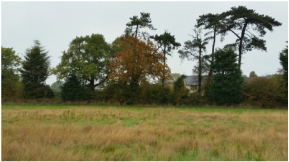
    ​A Preliminary Ecology Appraisal of a small site was undertaken to accompany a planning application for a single new build property.
    ​The Site was part of a field adjacent to a road and other housing. It was surveyed using the Phase 1 Habitat Survey methodology and a desk study. By incorporating appropriate mitigation and recommending enhancements for the site, it was concluded that overall, there will be a net benefit for biodiversity.
    ​The planning application was approved by the local planning authority.