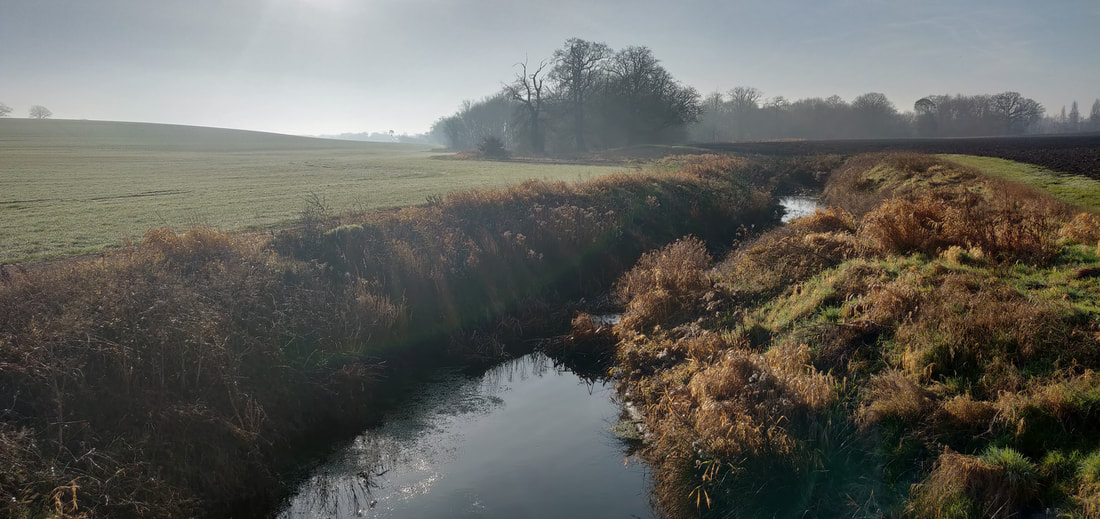
Misty morning in Redgrave, Suffolk
Somehow, all of a sudden, January has passed effortlessly into February, which in turn has morphed into March, which can only mean that ecology surveys will start to pick up in frequency.
It has been a bit of an odd winter - the mildness has been noticeable, with a few frosts but relatively little snowfall in our little corner of rural Suffolk. At this time last year, we were getting blasted by the 'Beast from the East' which had a noticeable effect on delaying spring for much of our wildlife.
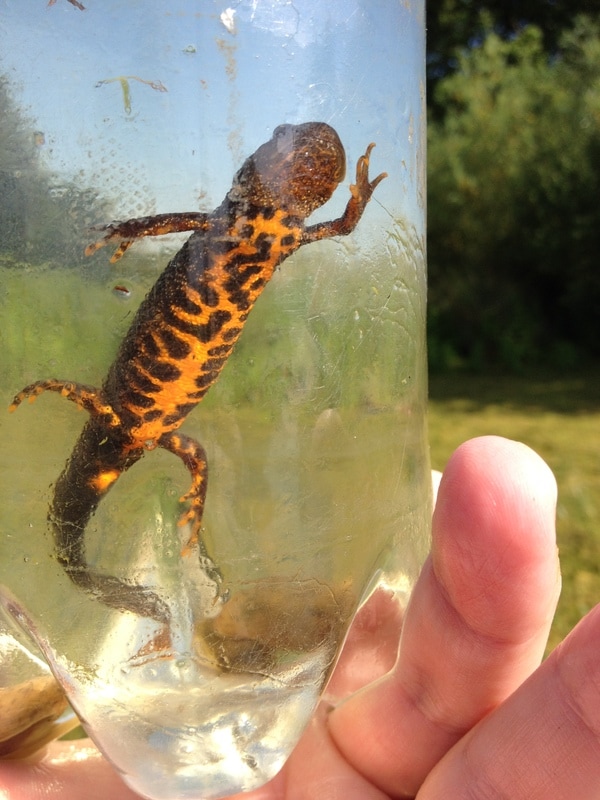
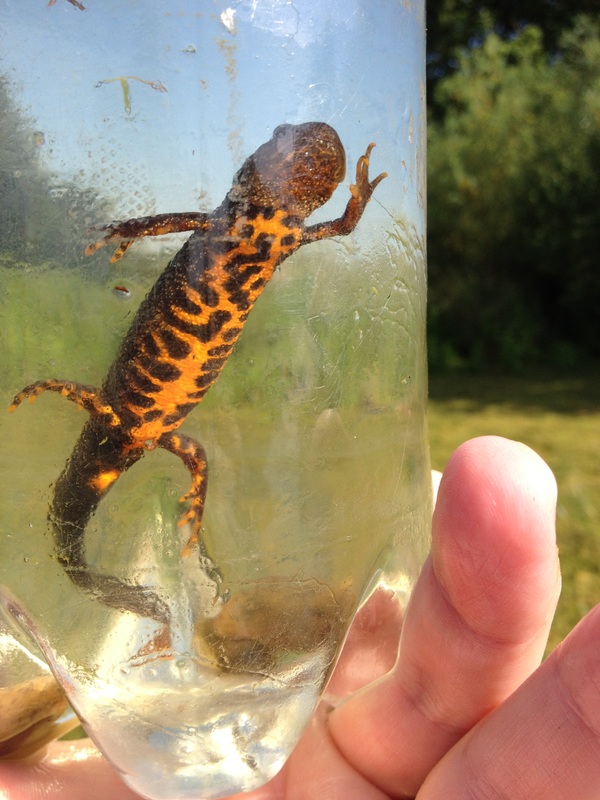
At Huckle Ecology, the winter has been busy.... there have been a steady flow of preliminary ecological assessments, usually to inform planning applications. These include an extended Phase 1 Habitat survey, and aim to identify the potential ecological constraints and whether more detailed surveys for protected species such as bats, reptiles and great crested newts are required. In addition, we have had wintering bird surveys to complete, involving surveys of an area to identify the use of that land by birds during winter.
But now, attention turns to spring and at the end of March, the first breeding bird surveys are already in the schedule. Many species are already actively seeking nest sites at the moment, and fully engaged in courtship and territorial behaviour - evidenced in our garden by the toing and froing of at least 4 male blackbirds all competing for our patch of choice shrubbery!
It has been a bit of an odd winter - the mildness has been noticeable, with a few frosts but relatively little snowfall in our little corner of rural Suffolk. At this time last year, we were getting blasted by the 'Beast from the East' which had a noticeable effect on delaying spring for much of our wildlife.
At Huckle Ecology, the winter has been busy.... there have been a steady flow of preliminary ecological assessments, usually to inform planning applications. These include an extended Phase 1 Habitat survey, and aim to identify the potential ecological constraints and whether more detailed surveys for protected species such as bats, reptiles and great crested newts are required. In addition, we have had wintering bird surveys to complete, involving surveys of an area to identify the use of that land by birds during winter.
But now, attention turns to spring and at the end of March, the first breeding bird surveys are already in the schedule. Many species are already actively seeking nest sites at the moment, and fully engaged in courtship and territorial behaviour - evidenced in our garden by the toing and froing of at least 4 male blackbirds all competing for our patch of choice shrubbery!