• Published on

    March on with the ecology surveys

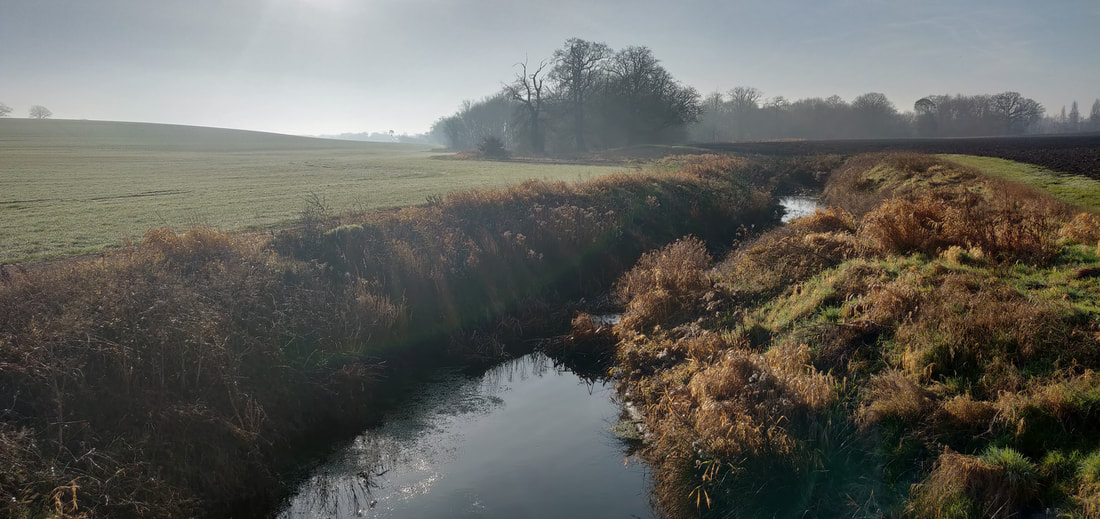
    Little Ouse headwaters between Redgrave and Hinderclay

    Misty morning in Redgrave, Suffolk
    Somehow, all of a sudden, January has passed effortlessly into February, which in turn has morphed into March, which can only mean that ecology surveys will start to pick up in frequency.

    It has been a bit of an odd winter - the mildness has been noticeable, with a few frosts but relatively little snowfall in our little corner of rural Suffolk.  At this time last year, we were getting blasted by the 'Beast from the East' which had a noticeable effect on delaying spring for much of our wildlife.

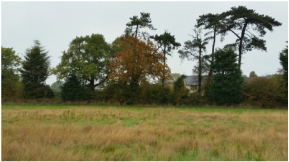
    At Huckle Ecology, the winter has been busy.... there have been a steady flow of preliminary ecological assessments, usually to inform planning applications. These include an extended Phase 1 Habitat survey, and aim to identify the potential ecological constraints and whether more detailed surveys for protected species such as bats, reptiles and great crested newts are required.  In addition, we have had wintering bird surveys to complete, involving surveys of an area to identify the use of that land by birds during winter.

    But now, attention turns to spring and at the end of March, the first breeding bird surveys are already in the schedule.  Many species are already actively seeking nest sites at the moment, and fully engaged in courtship and territorial behaviour - evidenced in our garden by the toing and froing of at least 4 male blackbirds all competing for our patch of choice shrubbery!
  • Published on

    Reptile Surveys - Stealthy and steady is the key....

    The last couple of months have seen a flurry of reptile surveys on proposed development sites across Norfolk, Suffolk and Essex.
    These surveys have included the use of artificial refuges (a mixture of roofing felt, roofing sheet and carpet tiles) deployed around potential development sites.  These are then visited on repeat occasions and inspected for reptiles basking on the top of the refugia or sheltering underneath them.  The key to these surveys is to be slow and stealthy in approaching them, as reptiles can vanish in a flash at the slightest movement or swish of clothing.
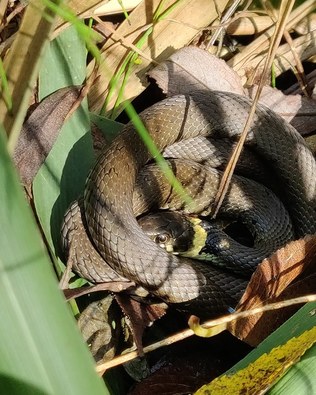
    Ironically, I have seen more reptiles recently on proposed sites where I have been undertaking habitat survey, and recorded reptiles as incidental records.  These have included a couple of glimpses of common lizard (perhaps quickest to scamper away) and a few sightings of grass snakes, which although relatively common are my favourite of our common reptile species. 
    Image description
    Reptile surveys are often required on potential development site as all reptiles in the UK benefit from legal protection. For the four common species (grass snake, adder, common lizard and slow worm) it is an offence to kill reptiles under the Wildlife and Countryside Act.  Where a site supports a population, a reptile mitigation strategy can be developed to ensure that reasonable measures are put in place to prevent harm to reptiles and reduce the risk of an offence being committed.
    Such mitigation can include the implementation or reasonable avoidance measures (or RAMs) or potentially the translocation of reptiles to a receptor site.
    If you would like to know more about when surveys are required, feel free to get in touch via our Contacts page, or email Jon on jon@huckleecology.com
  • Published on

    Birds, newts, bats and reptiles..... ecology survey season is in full swing!

    Image description
    It is nearly the middle of May already and like all good ecologists, much of my time is spent out 'in the field' undertaking surveys of sites for projects.
    ​This week has seen a particularly varied selection of surveys including:
    • ​eDNA survey of a pond on a site in Norfolk to test for the presence of great crested newts - this pond is heavily shaded and relatively isolated and scores below average using the Habitat Suitability Index - in this case, a negative result will provide confidence that gcn are not present.
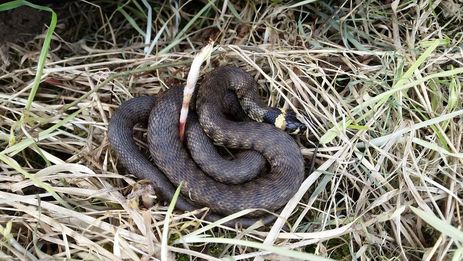
    • Reptile survey - checking refugia at a site in Norfolk that were placed a few weeks ago.  This survey revealed a lovely grass snake under one 'tin' (see photo)
    • Bat survey - a Tree Preliminary Roost Assessment of a site in Suffolk - assessing the potential of trees adjacent to a housing development site to enable a planning condition to be discharged
    • Breeding Bird Survey - up at dawn to survey a large site in South Essex
    • Great Crested Newt Survey - update of a Habitat Suitability Assessment of a cluster of ponds in Suffolk, and then a torch survey after dark -newts aplenty with both gcn and smooth newts in abundance.
    ​All in a weeks work!
  • Published on

    Residential Development, Ipswich, Suffolk

    September 2016 - November 2017

    In late summer 2016, we were commissioned to undertake reptile and bat surveys that were required to inform a planning application for a residential development on a former industrial site in Ipswich.

    ​The site had a number of derelict buildings associated with a former factory, most of which were generally unsuitable for bats.  One building was assessed as having a Low potential and a single bat activity survey was undertaken at the end of August 2016 - no bats were recorded emerging and this negative result was useful in confirming a mitigation strategy for the demolition of the buildings. 

    ​At the same time, reptile surveys were undertaken, and a low population of common lizard and slow worms recorded.  This information was used to develop a Ecological Mitigation Strategy that was incorporated as a planning condition.

    ​The planning application was successful and the demolition progressed to prepare the site for the construction phase. 

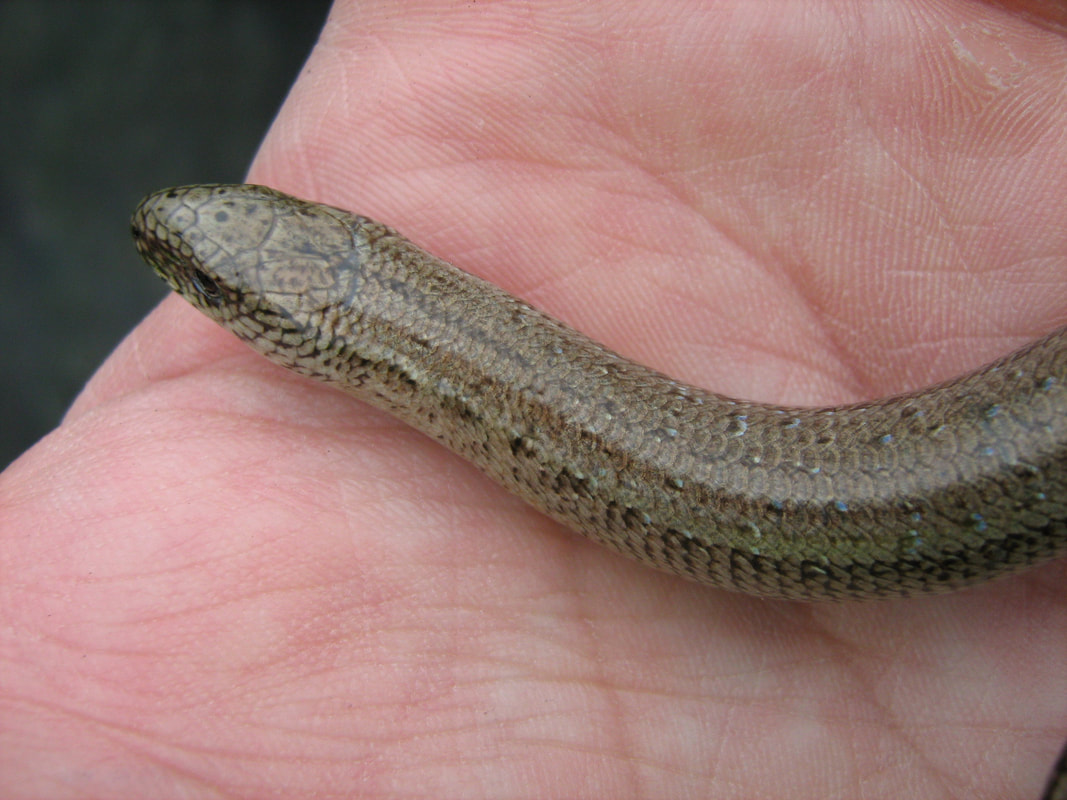
    Slow worm recorded on Reptile Survey in Ipswich Suffolk

    Slow worm (adult male) showing blue-spotted colouration. Recorded in Ipswich, Suffolk

    Picture
  • Published on

    2017 Great Crested Newt Survey SeasonĀ getting underway

    Now we are into the first week of March, the signs of spring are everywhere.
    ​For an ecological consultant, one of the important aspects of spring is the start of a new survey season, with the traditional surveys for great crested newt taking place between mid-March and mid-June. 

    Here at Huckle Ecology, we are ready to start these surveys with relish, and are also looking forward to undertaking a few Environmental DNA surveys of ponds.  These surveys, involve taking water samples of ponds, with the water being tested for the presence of DNA of GCN - in many cases, a positive or negative result can lead to cost effective assessment of potential impacts.

    ​If you need great crested newt surveys in 2017, it is still not too late to get them commissioned.  Please get in touch via our contact page or email on info@huckleecology.com.
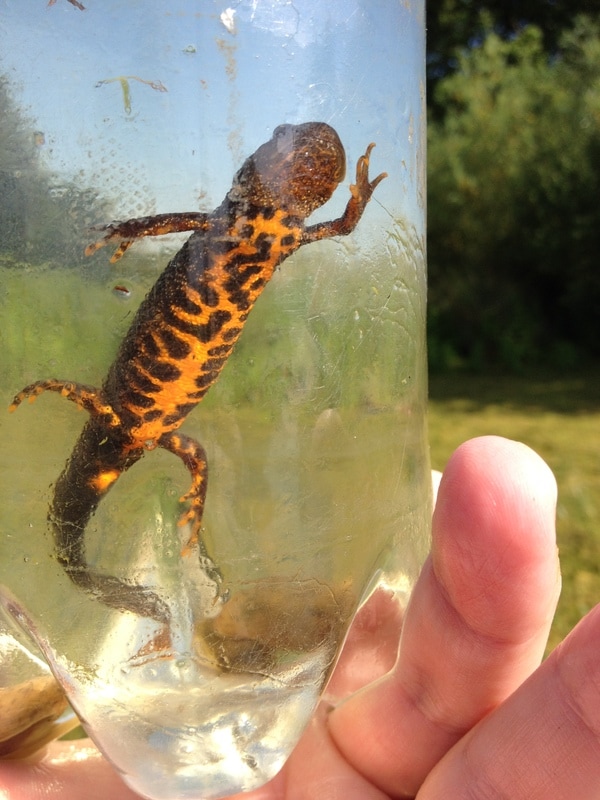
    Great crested newt in bottle - captured under Natural England survey licence
  • Published on

    Property Development, Alresford, Essex - Preliminary Ecological Appraisal

    November 2015

    Picture

    ​A Preliminary Ecology Appraisal of a small site was undertaken to accompany a planning application for a single new build property.
    ​The Site was part of a field adjacent to a road and other housing. It was surveyed using the Phase 1 Habitat Survey methodology and a desk study. By incorporating appropriate mitigation and recommending enhancements for the site, it was concluded that overall, there will be a net benefit for biodiversity.
    ​The planning application was approved by the local planning authority.