• Published on

    Great crested newt surveys often reveal hidden invertebrate treasures

    Sometimes newt surveys are not very exciting from an amphibian perspective - which is good for clients, but may reflect ponds that have been degraded or neglected.
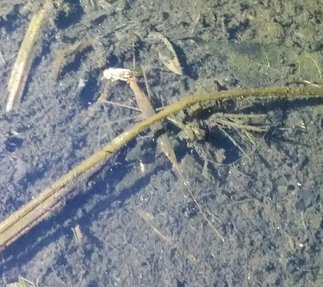
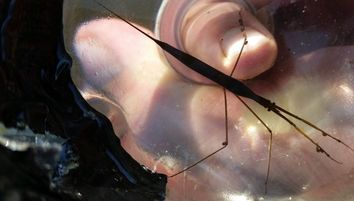
    However, this does not necessarily mean they are lacking in life - a grotty little Norfolk pond I was surveying last night was teeming with invertebrate life. Highlights were several water stick insects - fascinating predators of this murky, silty world, which hunt other inverts as well as larger prey such as tadpoles.
    This one was munching on a water boatman, and I was lucky enough to find one in a bottle trap in the morning.
    After a quick snap, it was safely returned to its habitat unharmed.

    Also noted were a pair of mating water scorpions - another pond predator and fascinating to watch - and several larvae of great diving beetles: fabulous and voracious preadators that were attacking and eating sticklebacks.
    Picture
    Picture
    ​It just goes to show that ponds are fascinating and enthralling habitats - and the bugs that live there show a great deal of diversity that merit a good dabble every now and then.
  • Published on

    Bradfield Woods - Ancient Woodland Heaven in Suffolk

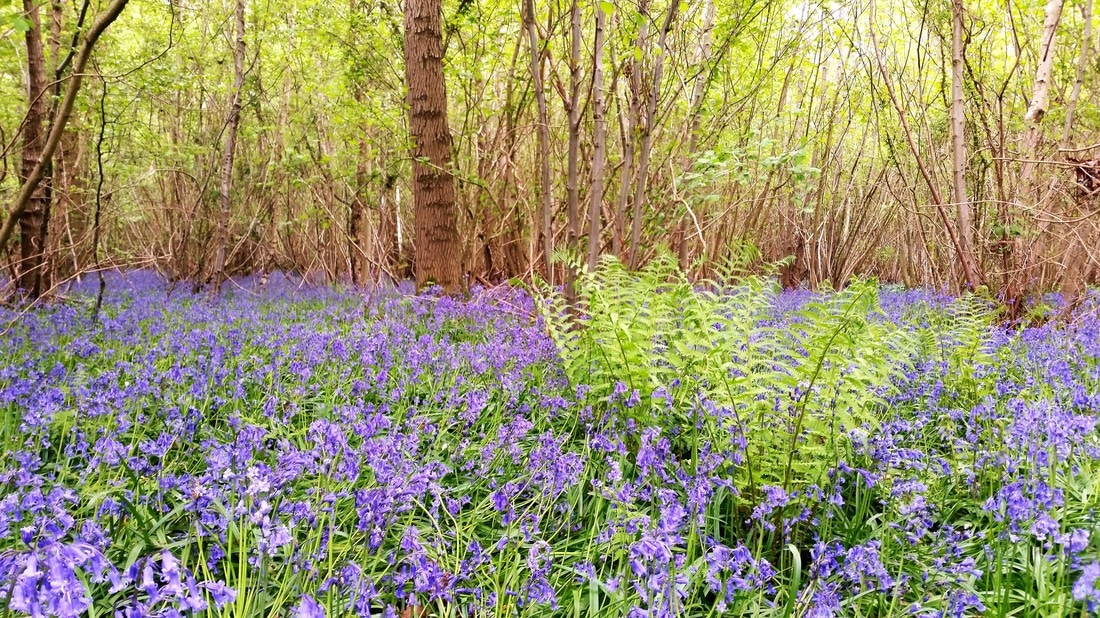
     May Bank Holidays offer great opportunities for exploring the natural jewels and early May is the perfect time to explore bluebell woods.
     Here in Suffolk, Bradfield Woods is a gem - an ancient woodland that is expertly managed by the Suffolk Wildlife Trust in a style of management known as coppice with standards.  Much of the wood comprises hazel and ash coppice with mature trees including some fine oaks rising majestically above the coppice layer.
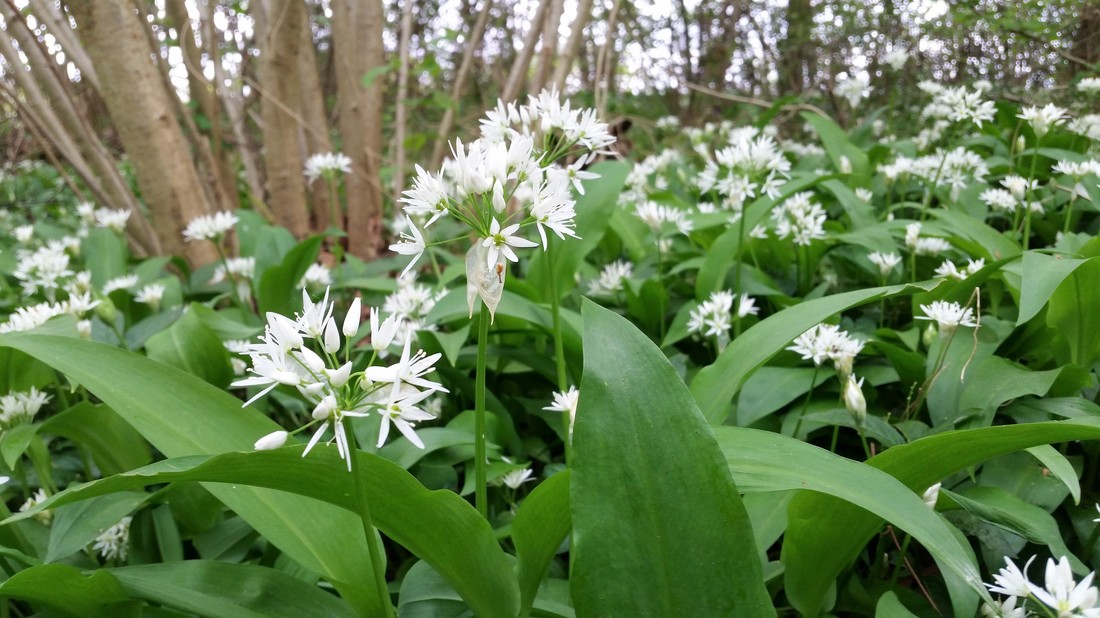
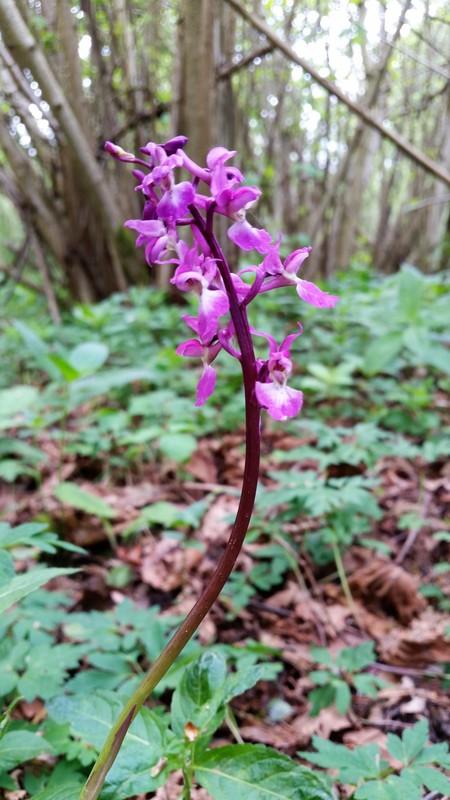
    ​The result is a splendid wood with a wealth of ancient woodland indicator species - on show this weekend were bluebells (of course) but also some marvellous early marsh orchids, wood anemones, carpets of wild garlic, and for me the pick was a few remaining oxlips (a rare species nowadays).
    ​I would highly recommend a visit - a few hours of wandering around the woods is perfect escape from the trials and tribulations of everyday life!
    Bradfield Woods is a few miles from Bury St Edmunds, and is National Nature Reserve and Site of Special Scientific Interest. More information can be found at the Suffolk Wildlife Trust website.  Read on for more about a recent visit to see the bluebells at their best.

    Picture
    A small car park was overflowing when we arrived, but we were able to park on a nearby verge.  At the entrance to the wood, there is smattering of wood-based structure and sculptures, which give the air of a natural transition to the woodland beyond.  However, beyond the car park, the first experience is that of a marvellous timber-built visitor centre which provides a wealth of information about the wood.
    Picture
    With just a couple of hours to spare, we opted for an amble around the blue walk - a couple of miles around the eastern half of the wood. 
    ​Immediately we were in a different world, surrounded by wonderfully uplifting hazel coppice, each stool spreading from the base into a network of spreading stems.  Beneath the canopy, the ground layer was a mesmerizing mass of colour - vivid blues from bluebells, lush violets from spikes of early marsh orchids and occasionally the pale yellow forms of oxlips, nearly over now, but a delight to see.
    ​Further on, we came across a pungent carpet of white and lush green wild garlic - often excluding most other species.
    Picture
    Throughout the wood, birds were in full voice, and an early morning visit is something I will try and fit in this month to take full advantage of the dawn chorus and the full gamut of woodland bird song.  Occasionally we caught sight of dormouse tubes and nest boxes, evidence of the work of the Suffolk Wildlife Trust who have been active in re-introducing this species to this part of Suffolk.
  • Published on

    2017 Great Crested Newt Survey SeasonĀ getting underway

    Now we are into the first week of March, the signs of spring are everywhere.
    ​For an ecological consultant, one of the important aspects of spring is the start of a new survey season, with the traditional surveys for great crested newt taking place between mid-March and mid-June. 

    Here at Huckle Ecology, we are ready to start these surveys with relish, and are also looking forward to undertaking a few Environmental DNA surveys of ponds.  These surveys, involve taking water samples of ponds, with the water being tested for the presence of DNA of GCN - in many cases, a positive or negative result can lead to cost effective assessment of potential impacts.

    ​If you need great crested newt surveys in 2017, it is still not too late to get them commissioned.  Please get in touch via our contact page or email on info@huckleecology.com.
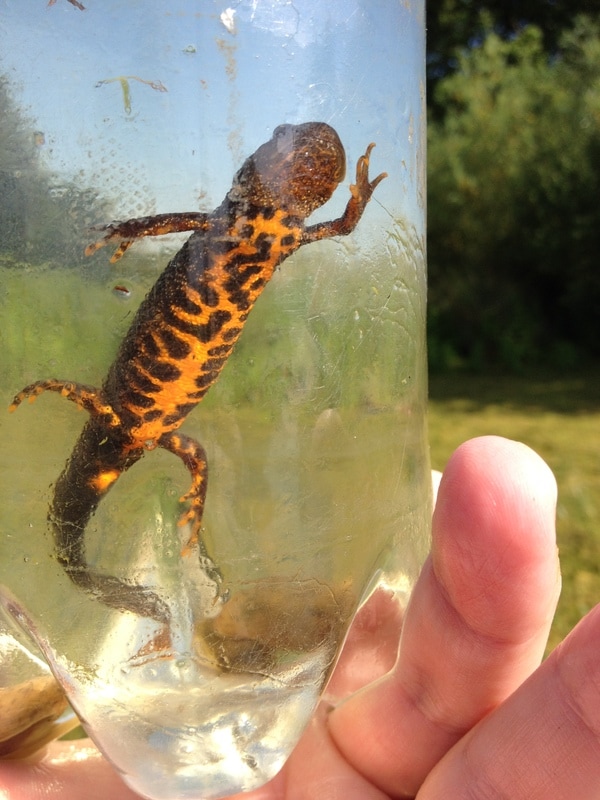
    Great crested newt in bottle - captured under Natural England survey licence
  • Published on

    ENDANGERED SPECIES SPOTTED IN SUFFOLK VILLAGE

    This Blog Post is kindly written by my eldest son, Monty, 10, and features a newspaper article written for his school homework.  
    A little hedgehog has been seen by a family in Redgrave.
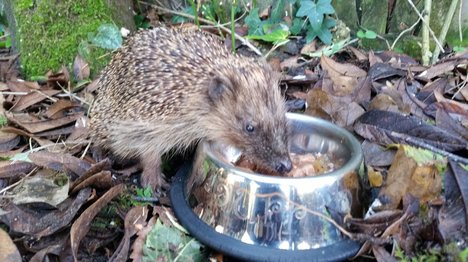
    The hedgehog was spotted at around 1pm on Saturday 28th January 2017. A boy called Monty Huckle (aged 10) was the first to see it. He saw it crawling among the bushes and found where it hibernated.

    ​Hedgehog numbers are decreasing rapidly because of habitat loss.
    Picture
    The Suffolk Wildlife Trust is asking for reports of hedgehog sightings. If you have seen a hedgehog then go to their website www.suffolkwildlifetrust.org to report it.
    Three Top Tips for a Hog Friendly Garden
    • Create gaps under fences so they can pass through
    • Leave piles of leaves for nest sites
    • Create pond escape routes
    Monty Huckle was heard to say, "It was really amazing to see a hedgehog in our own garden. We gave it some cat food and it ate the lot in one go. It the gathered some dry leaves as fresh bedding and went to its den to sleep".
  • Published on

    Awe inspiring coastline of North Norfolk

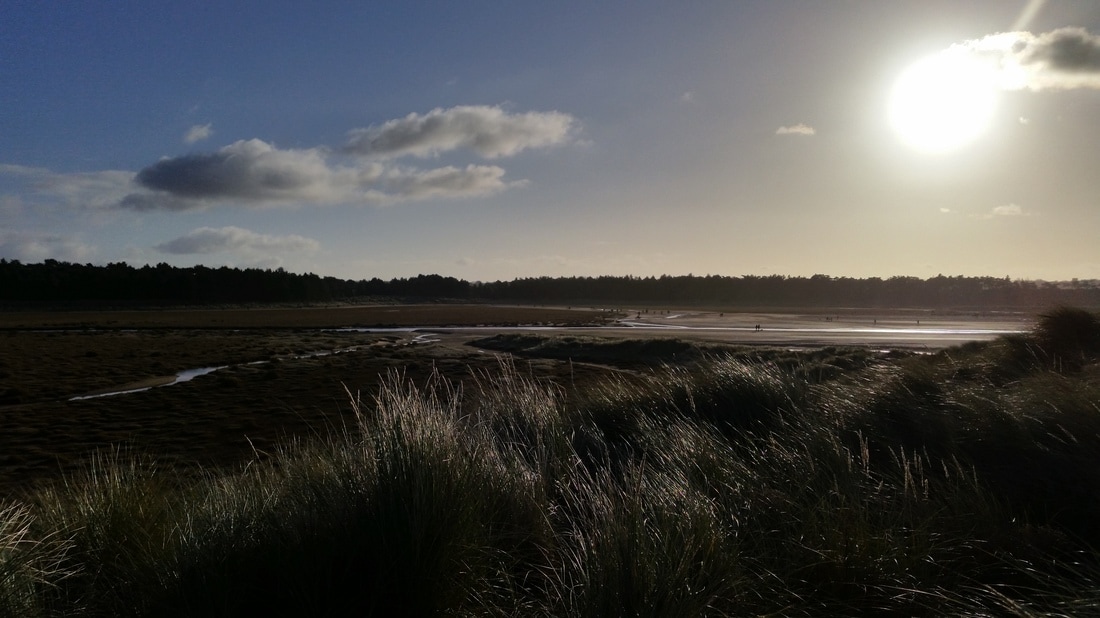
    On a recent trip to Holkham in North Norfolk, the windswept dunes and vast beach were as beautiful as I can remember.

    ​I have been visiting this beach for over 40 years and in that time the coastal habitats have developed dramatically: dunes have risen in height, creating a sheltered embayment behind.  Salt marshes have developed, creating a slippery and beautiful area of intertidal vegetation.

    ​Throughout this period, there have been two constants: the long stretch of (usually) gentle shoreline, and the impressively forbidding line of pine forest that acts as guardian for the rear of the beach.

    Picture
  • Published on

    Lizard laying low in leaf litter.....

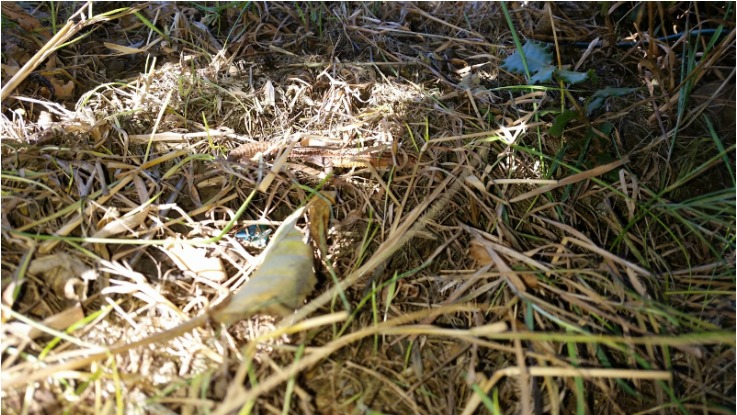
    It is easy to think that reptile surveys are relatively straightforward compared to many ecological surveys - stick a load of carpet tiles or old metal sheets (tins) out and check them every now and then.
    ​But it can take quite a bit of skill to find reptiles when there is a good deal of leaf litter and general cover for them to shelter in.

    ​The photo below proves the point nicely - a common lizard skulking in leaf litter (found under a carpet tile on this occasion).  Can you see it?
    Image description