• Published on

    Newt Survey Season nearly over...

    It has been a while since my last blog post - and that was to herald the start of the newt survey season.
    ​Well.... with the first few days of June now complete, and sunset getting later and later, the newt surveys are drawing to their close.
    ​May has been particularly busy , with newt surveys being undertaken at sites in Norfolk, Suffolk, and the Midlands. 
  • Published on

    Newt Surveys are underway....

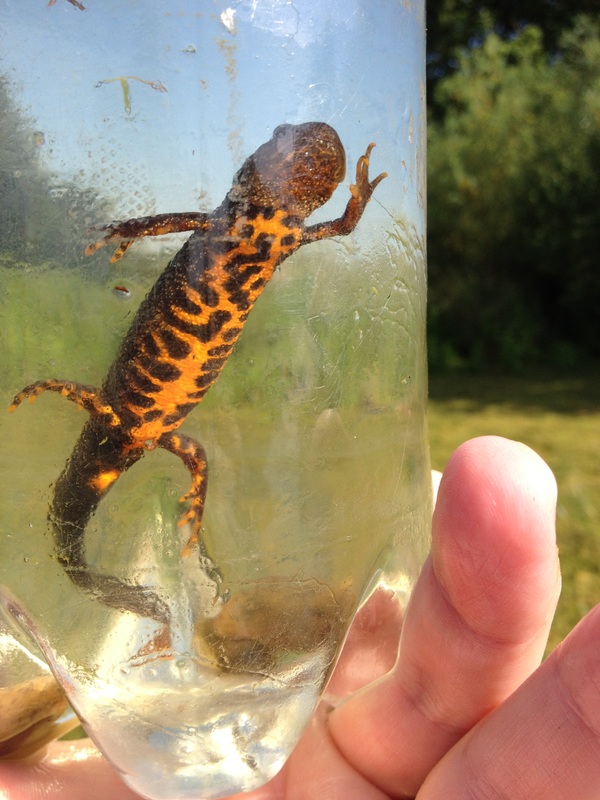
    It is always good to get the first newt surveys of the year in the bag.  Having been delayed by a couple of weeks with overnight temperatures just a bit too low for comfort, Huckle Ecology has completed its first great crested newt survey of the year.

    ....and what a good one to start with - with four species of amphibians in total.  

    A few GCN were recorded at the site in central Norfolk, using both bottle trap and torch survey methods.  In addition, smooth newts were recorded in reasonable numbers.

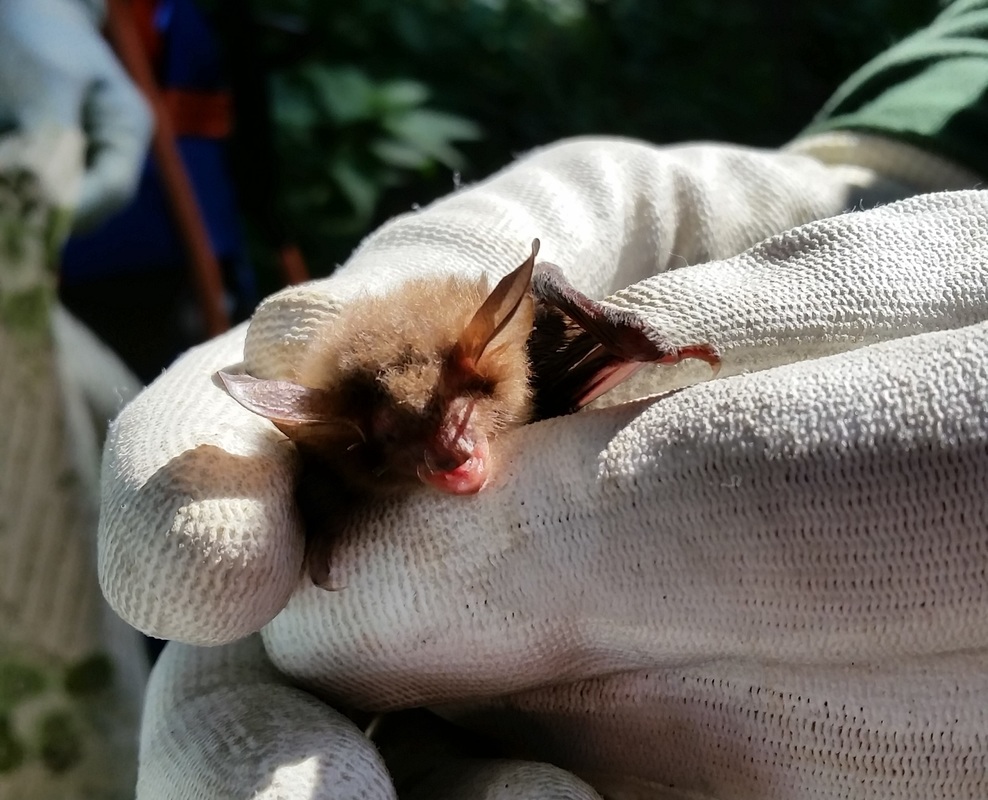
    But perhaps the highlight was the chorus from a good population of mating toads and frogs!  The sight of numerous pairs of little eyes in the light of the flashlight is always a joy to behold.  A few bats were also foraging over the ponds - I will make sure to take my bat detector on the next survey visit!

    ​Finally, the morning was topped off with my first chiffchaff of the year!
  • Published on

    How do you find good, professional ecological advice?

    In these days of Google and Bing searches, you would think that engaging an ecologist to do some work would be straightforward, but like everything in life, things may not be as simple as they seem.  That 'top of the page' search result might be OK but it may be just the case that they have a good marketing person who knows how to play the search engine game and get their listing up to the top.  But does that mean they will provide you with the best service?

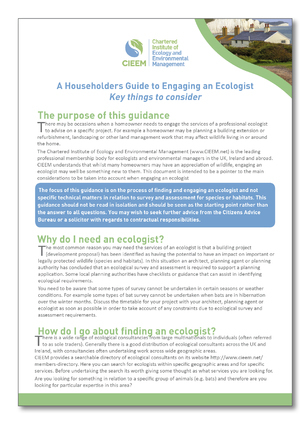
    ​Fortunately, help is at hand, and the Chartered Institute of Ecology and Environmental Management (CIEEM) have recently published guidance on engaging the service of a professional ecologist.  While this guidance is directed at homeowners who might need ecological advice, it is generally applicable to many professionals who may also need to commission ecological consultants.

    ​This document is well worth a read, and can be downloaded from the CIEEM website as well using the link on the image below right.
    Key points that stand out are:
    • ​Be clear about what specific services you require.  Do you need an initial assessment of the likely impacts of a proposed development? Or more specific studies that address certain issues - bats, newts or other protected species?
    • Use the CIEEM Directory to search for ecologists by region and specialism
    • CIEEM membership provides reassurance on the standard of competence of the ecologist
    • Seek more than one fee proposal to compare quotes
    • The cheapest quote does not always provide the best value
    Picture
    When seeking quotes, it is worthwhile setting out exactly what you are asking to be done (and perhaps why) - this enables a fair comparison between different fee proposals, and provides the ecologist with a clear understanding about the scope of the work required.  Often, we are asked in a vague manner to provide an ecology report or assessment - this is a bit like going into a car showroom and saying you want a car!  There are a range of different options available and without more information you may end up with something you don't need or want.

    ​Perhaps the key piece of advice in the CIEEM guidance though, is in my view, that about asking questions.  Speak to the ecologist that you might engage - this is by far the best way of gauging their experience and ability to do the work, and will provide reassurance that they will provide you with level of service you deserve. 

    ​Over the years, my experience as a professional ecologist has taught me the value of developing a strong trust between client and consultant - this relationship often starts with a good chat about the issues relating to a potential piece of work. 

    For a free consultation about your potential ecology project, give Jon a call on 07496 255050 or use the Contact page to leave a message or for more ways to contact us.


  • Published on

    Newt Surveys - time to start planning for spring!

    Believe it or not, but it is nearly the end of January!

    As any good ecological consultant will be aware, the survey season for great crested newts will soon be upon us. As a protected species, it is an offence to capture (take) or disturb these fantastic little amphibians, which means that surveys for GCN need to be undertaken by an ecologist with a licence to undertake trapping and other activities that would otherwise be an offence.

    As days lengthen, newts and other amphibians will be heading towards ponds to breed - the courtship display is one of the marvels of British Wildlife and a story for another blog.  Once in ponds, that is the optimal time for undertaking surveys, and the reason why traditional newt survey methods advocate sampling for amphibians between mid March and mid-June (with most surveys between mid-April and mid May). 

    In recent years the use of Environmental DNA (EDNA) technology has provided another approach to surveys, with surveys being valid from mid-April onwards.

    The key message, is that if you have a site where newts surveys are likely to be required, you need to get them into your programme now to ensure that you do not miss the boat!  If you leave it until June, you will have left it to late , and there would be a real danger of a delay to programme and a serious entry in a project's risk register!  

    Get in touch via my contacts page for an informal chat about protected species or to discuss your survey requirements.
    Picture
  • Published on

    Natural mindfulness - Frosty weather brings out the beauty of winter plant structure

    For me, ecology is not just an academic subject and my career - but it is also about an appreciation of the natural world that surrounds us in gardens and semi-wild areas.  Being mindful of the ecological processes and functions of the species that form the habitats that are so familiar to us in here in Britain, engenders a deep understanding of the natural world.

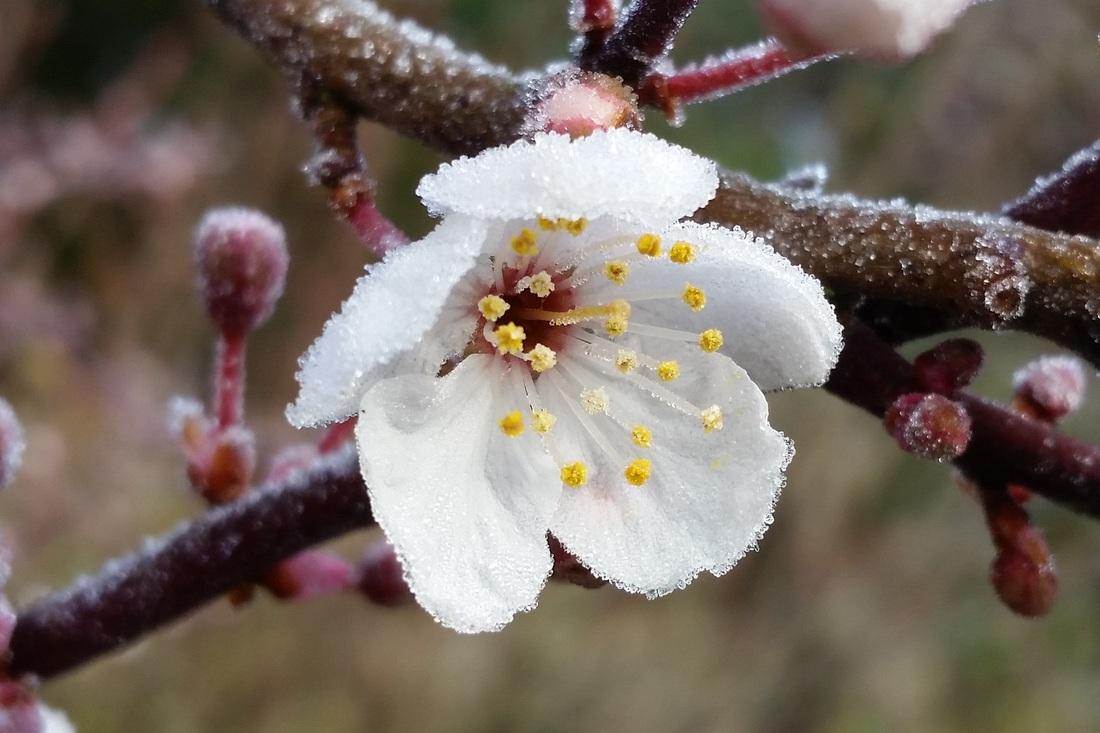
    ​It has been a beautifully frosty couple of days here in Suffolk - no snow has fallen unlike many parts of the country - but a hoar frost this morning looked amazing on some cherry blossom in the garden
    Picture
    ....and I love the structural forms created by winter seed heads!!
    Picture
  • Published on

    Pre-construction Site Works - Minimising Ecological Risks

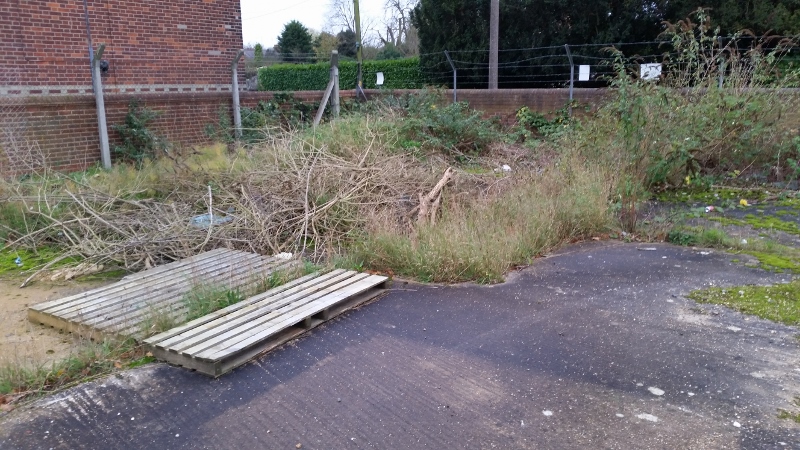
    ​With the recent cold weather that has gripped the country in recent days it is all too easy to think that ecological issues are not likely to be a major constraint for construction sites.

    However, before we know it, we will be into February and then the bird breeding season will be only a robin's chirp away. As days lengthen and temperatures rise, biochemical and phenological changes cause behavioural and hormonal development leading to increased activity of animals....in layman's terms, species start to get frisky prior to breeding and hibernating species will start to emerge and get prepared for spring.
    Picture
    ​Birds, for example, are protected under the Wildlife and Countryside Act, and all species are protected while nesting. Some species are also more strongly protected, listed on Schedule 1of the W&C Ac, or via the 'Habitats Regulations'. Other species, such as bats, great crested newts, badgers are all protected via different legislation.

    The key to ensuring that ecological constraints are dealt with is to plan well in advance.... Getting vegetation cleared ahead of the bird breeding season helps to ensure that there is less chance (but not entirely) of breeding birds being disturbed by construction works.
    Picture

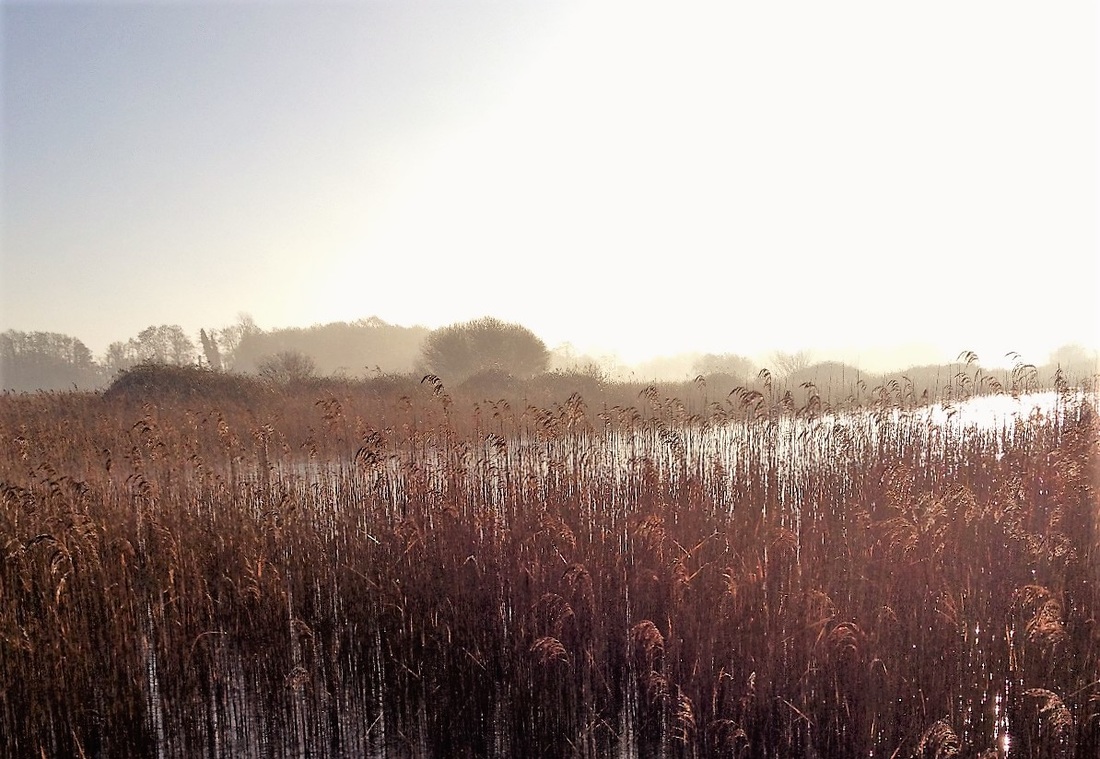
    OK - it is not a construction site, but it is a wintry scene.... Redgrave and Lopham Fen!


    For pre-construction sites, therefore, it is important to ensure that ecological constraints associated with a site do not cause unnecessary delays to programme. For consented development, there may be planning conditions that need to be discharged, and even if these have been covered off, it is important to ensure that works proceed with due regard to the legal protection conferred on certain species. An offence can result in imprisonment, a fine, or perhaps more crucially a lengthy delay in the construction proceeding.
    Picture
    If you would like advice on ecological issues relating to preconstruction sites or enabling works, feel free to get in touch..... at HuckleEcology, we have extensive experience of working on all stages of projects from pre feasibility assessements right through the planning and construction phases to operational monitoring!